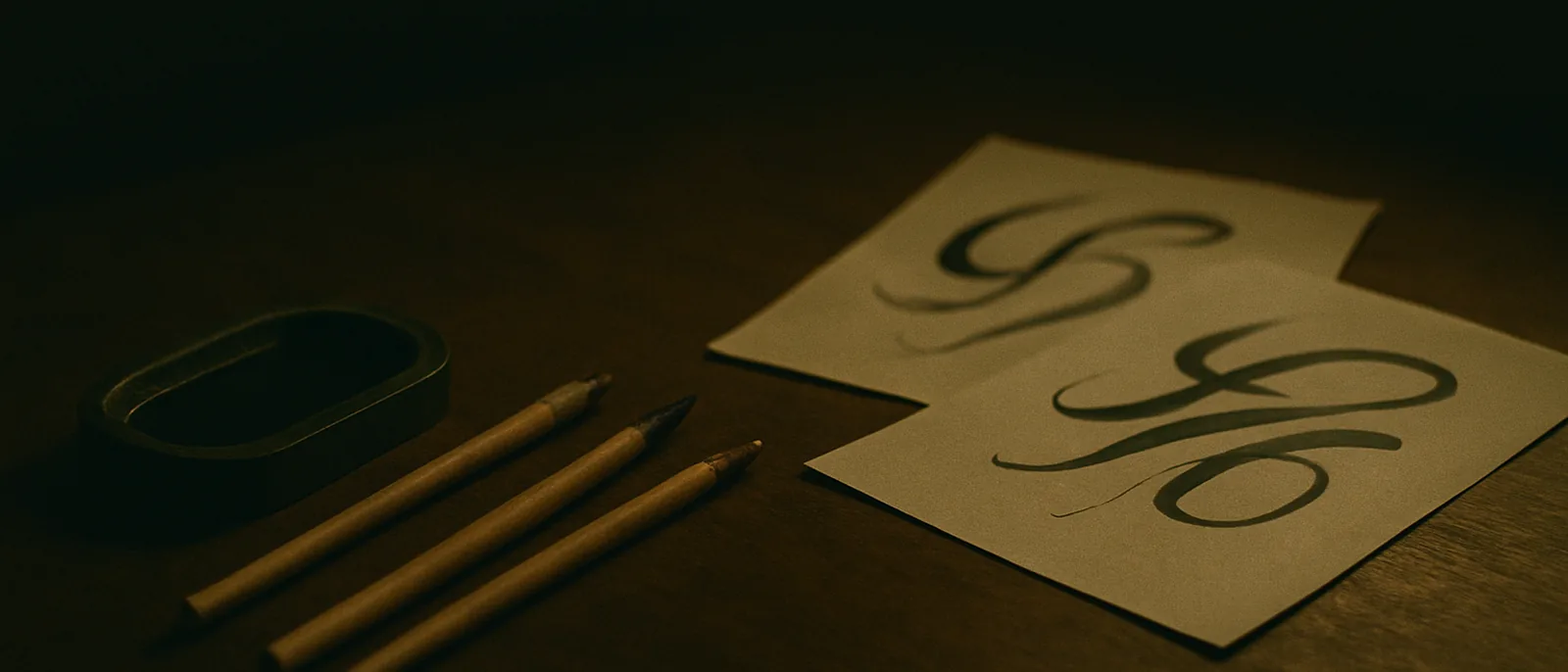
This entry examines the Qur'an's open challenge to produce a comparable surah, and the doctrine of i'jaz (inimitability) built upon it. Unlike most entries on this site, the claim here is not testable by neutral criteria; it is presented as a theological and literary claim whose historical persistence is the documented fact.
The source text
وَإِن كُنتُمْ فِى رَيْبٍ مِّمَّا نَزَّلْنَا عَلَىٰ عَبْدِنَا فَأْتُوا۟ بِسُورَةٍ مِّن مِّثْلِهِۦ وَٱدْعُوا۟ شُهَدَآءَكُم مِّن دُونِ ٱللَّهِ إِن كُنتُمْ صَـٰدِقِينَ
“And if you are in doubt about what We have sent down [i.e., the Qur'an] upon Our Servant, then produce a surah the like thereof and call upon your witnesses [i.e., supporters] other than Allah, if you should be truthful.”
Qur'an 2:23 · Saheeh International
قُل لَّئِنِ ٱجْتَمَعَتِ ٱلْإِنسُ وَٱلْجِنُّ عَلَىٰٓ أَن يَأْتُوا۟ بِمِثْلِ هَـٰذَا ٱلْقُرْءَانِ لَا يَأْتُونَ بِمِثْلِهِۦ وَلَوْ كَانَ بَعْضُهُمْ لِبَعْضٍ ظَهِيرًا
“Say, "If mankind and the jinn gathered in order to produce the like of this Qur'an, they could not produce the like of it, even if they were to each other assistants."”
Qur'an 17:88 · Saheeh International
What was understood in the seventh century
The challenge was issued in a society whose highest art was precisely eloquent Arabic — the culture of the celebrated pre-Islamic odes — and to opponents with every political and economic motive to answer it. Defeating the recitation on its own literary ground would have cost the Meccan leadership far less than the boycotts and wars they eventually chose instead.
The challenge also escalates across the text: produce a like recitation, then ten surahs, then a single surah; and Surah al-Isra extends it to 'mankind and the jinn' combined, an absolute formulation the audience could not have missed.
The modern correspondence
The doctrine of i'jaz became a formal discipline of classical scholarship in the hands of theorists such as al-Baqillani and al-Jurjani, and it remains central to Islamic theology, where the Qur'an's inimitability is counted as the Prophet Muhammad's (peace be upon him) principal miracle. As a historical observation, the challenge has stood open for fourteen centuries at the center of a text read by billions of people.
The attempted imitations that survive — from the verses attributed to Musaylimah in the seventh century to modern efforts — have persuaded no significant audience, and some non-Muslim Arabists, while rejecting the theological conclusion, describe the Qur'an's language as sui generis. It must be said directly, however: there is no neutral, falsifiable metric for 'matching' the Qur'an, and the judges of every attempted imitation have been parties to the dispute. What can be documented is the challenge's antiquity, its persistence, and the absence of any imitation that gained standing.
Considerations and counterpoints
Critics observe that the challenge is unfalsifiable: no criteria for success are given, and any candidate imitation is judged by believers predisposed to reject it — Musaylimah's verses survive mainly in hostile Muslim sources. Uniqueness of style, they add, is true of many masterworks, from Homer to Shakespeare, without implying divine authorship, and portions of the Qur'an's rhymed-prose form (saj') resemble the idiom of pre-Islamic soothsayers. Some classical scholars in the sarfah tradition themselves located the miracle not in measurable literary supremacy but in God's diverting people from imitation. The Tier 3 grading reflects that the challenge, however historically influential, cannot be verified by this site's evidence standards.
Credibility rating: Tier 3 · Contested — A genuine and historically influential challenge, but inherently unfalsifiable by the site's evidence standards: aesthetic inimitability cannot be measured, and verdicts on imitations are partisan.