
A documentary reference
Signs, prophecies, and predictions in the Qur'an and Sunnah — documented.
Fourteen centuries ago, a text and a teacher in seventh-century Arabia made statements about the natural world and the future. This site collects those statements, quotes them exactly, sets them in their historical context, and lays out — with sources and honest caveats — how they compare with what is known today.
What this site is — and is not
This is a reference work, not a sermon. It does not ask the reader to accept any conclusion in advance, and it does not claim that every verse of the Qur'an maps onto a scientific paper. It presents what the primary Islamic sources say, what seventh-century audiences could plausibly have known, what modern knowledge or later history shows, and where the argument is strong, interpretive, or weak. Readers of any faith — or none — should leave better informed about what is actually claimed, and on what basis.
Every entry carries a credibility rating assigned editorially for this site:
Tier 1 · Strong an authentic source, a clear text, and a well-documented correspondence.
Tier 2 · Interpretive a reasonable case that depends on how the text is read.
Tier 3 · Contested a weak or disputed case: a questioned narration, a strained translation, or contested science — included for completeness, and marked plainly.
Working definitions
Sign (or miracle). As used here: a statement in the Qur'an or authentic Hadith argued to align with knowledge about the natural world that was not available in seventh-century Arabia — embryology, oceanography, cosmology, and the like. The Arabic term āyah (“sign”) is the Qur'an's own word for such passages.
Prophecy. A foretelling of a specific event that is judged, on the historical record, to have already occurred — for instance the Roman recovery foretold in Surah ar-Rum.
Prediction. A foretelling of later or still-unfolding developments — including the “signs of the Hour” — whose fulfillment is either recent, partial, or still awaited. The site labels these separately and does not count the unfulfilled as evidence.
A short primer on the sources
The Qur'an is Islam's central scripture, held by Muslims to be the verbatim revelation received by the Prophet Muhammad (peace be upon him) between 610 and 632 CE. It is organized in 114 surahs (chapters) of ayat (verses); citations on this site use the standard surah:ayah numbering and quote the Saheeh International English translation alongside the Arabic.
The Hadith are separately transmitted reports of what the Prophet said and did. Because they were gathered from chains of narrators over generations, Muslim scholars developed a formal grading science: a report may be sahih (authentic), hasan (sound), or da'if (weak), based on the reliability and connectedness of its chain. The two collections regarded as most rigorous are Sahih al-Bukhari and Sahih Muslim. This site cites collection and number for every hadith, reports its grading, and treats weak narrations as weak — they appear, if at all, at Tier 3.
Two misconceptions, addressed evenhandedly
“These are all retrofitted readings.” The skeptic's concern is real and this site takes it seriously: it is easy to read modern discoveries back into old, ambiguous words, and some popular claims do exactly that. That is why each entry states the counterargument, why translation disputes are flagged rather than hidden, and why a large share of the catalog sits at Tier 2 or 3. But the concern does not settle every case: some passages make specific, checkable statements — a defeated empire's recovery within a stated window, a body preserved “as a sign” — where the retrofitting objection has to work harder, and the entries lay out both sides.
“Every verse anticipates modern science.” The enthusiast's version overreaches in the other direction. The Qur'an describes itself as guidance, not a science textbook; classical commentators read most of these passages theologically, and forcing each one onto a twenty-first-century discovery cheapens the argument and collapses under scrutiny. The tiering exists precisely to resist that: where a claim is weak, this site says so.
A few representative entries
-
'Ammar ibn Yasir and the rebellious party that would kill him (Bukhari 447, 2812)
Thirty-five years later, 'Ammar ibn Yasir — by then in his early nineties — was killed at the Battle of Siffin (657 CE) fighting on the side of the…
-
Al-Hasan ibn 'Ali foretold to make peace between two great groups of Muslims (Bukhari 2704)
In 661 CE (41 AH), after 'Ali's assassination, al-Hasan stood at the head of a large Iraqi army opposite Mu'awiya's Syrian forces. Rather than fight,…
-
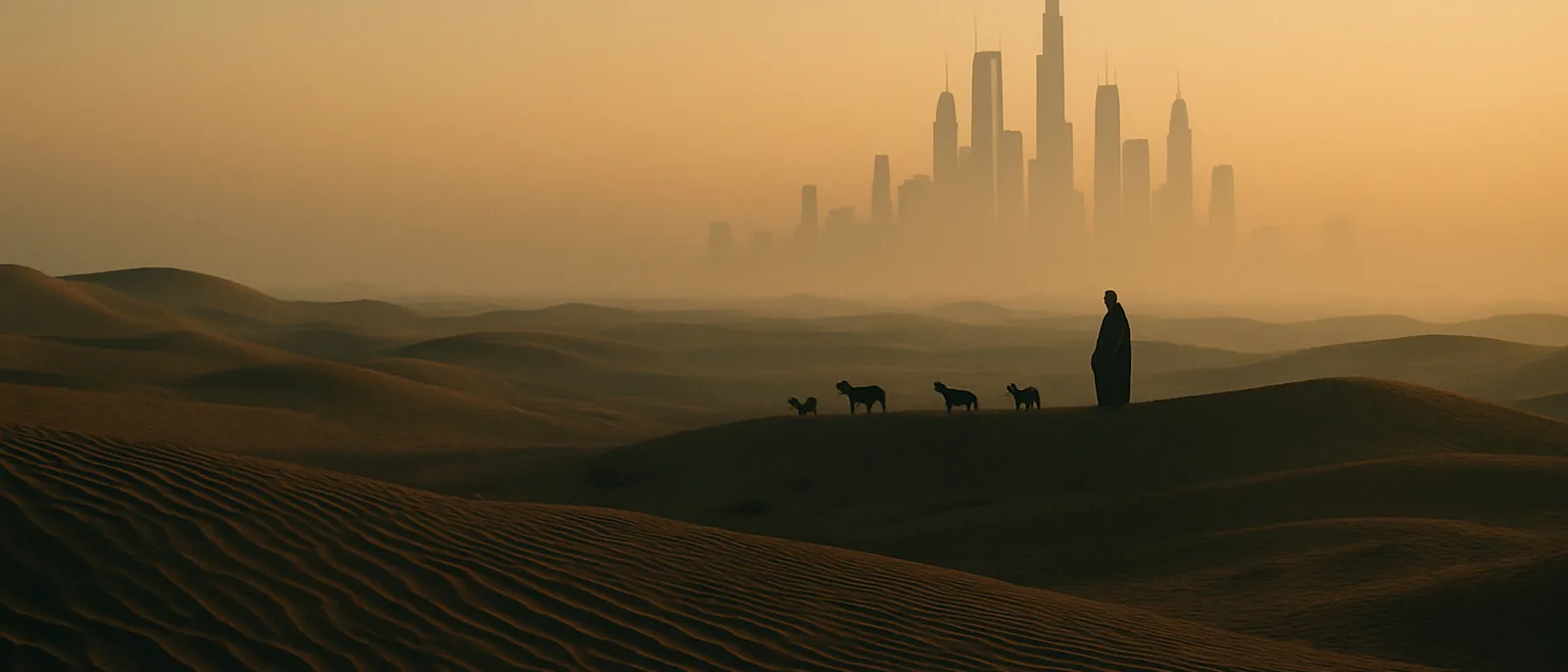
Destitute barefoot herders competing in tall buildings (the Jibril hadith) and the Gulf construction boom
Until the mid-20th century the Arabian Gulf littoral remained one of the poorest regions on earth, dependent on pearling, fishing, and herding.…
-
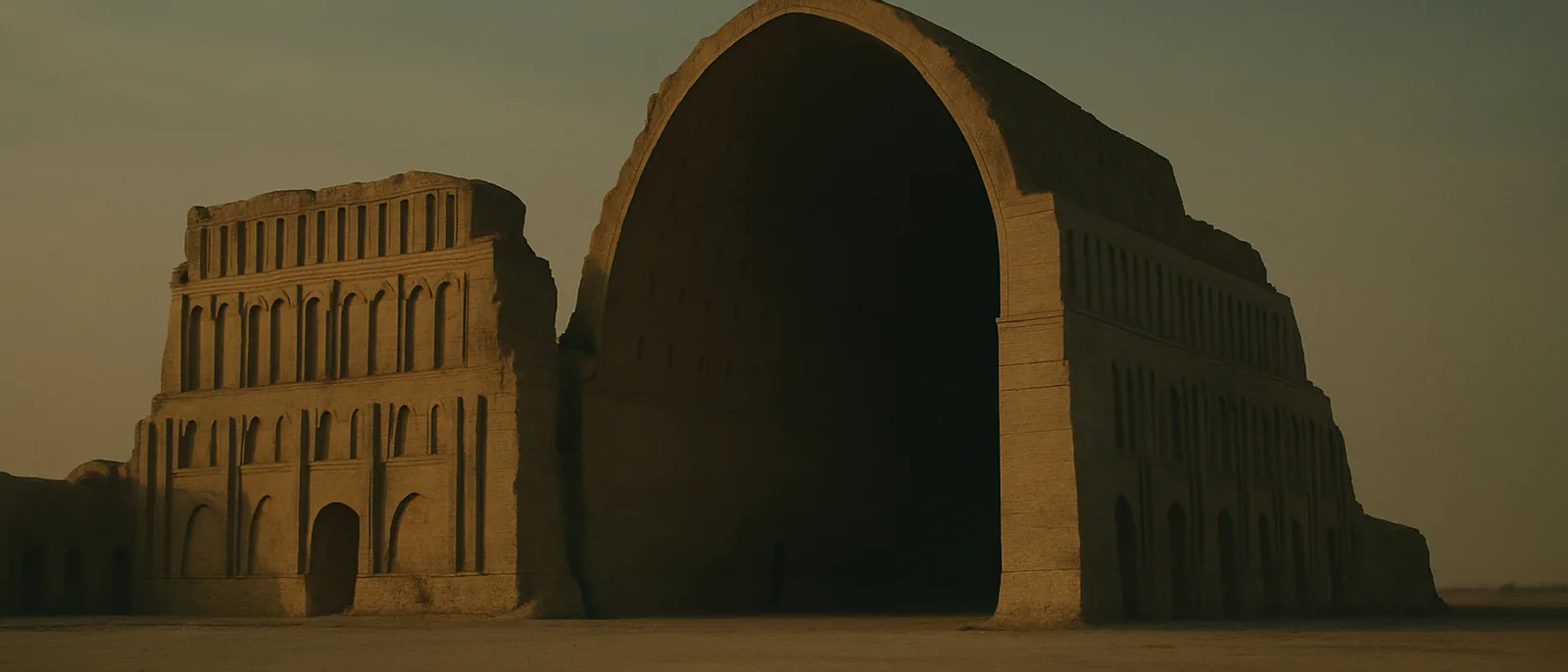
The end of the Persian and Byzantine imperial lines and the spending of their treasures (Bukhari 3120, 3618; Muslim 2918-2919)
Khosrow II was deposed and killed by his own son in February 628 CE, triggering a decade of coups; Yazdegerd III, the last Sasanian king, was…
-
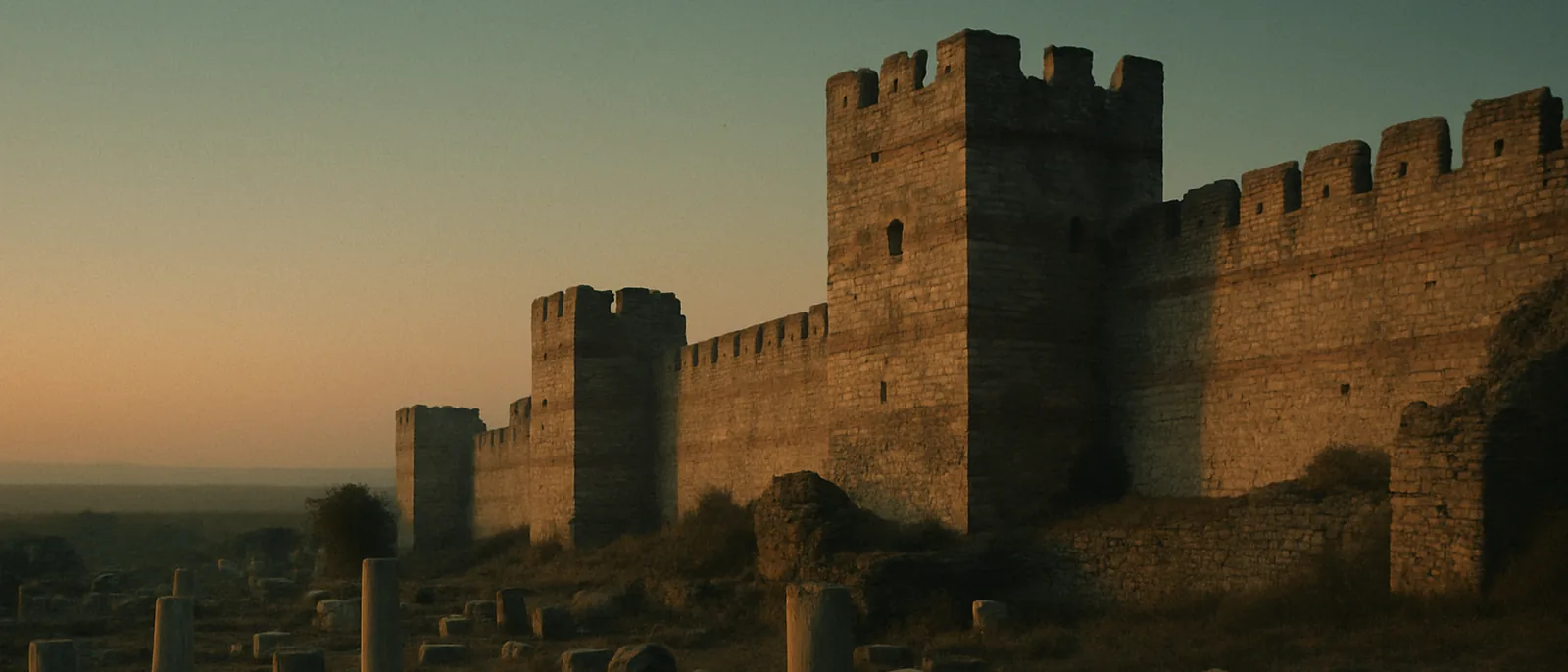
The foretold Byzantine recovery within three to nine years in Surah ar-Rum 30:2-4
Heraclius launched his counteroffensive in 622 CE, campaigned through the Persian rear from 624, and destroyed the Sasanian field army at Nineveh in…
-
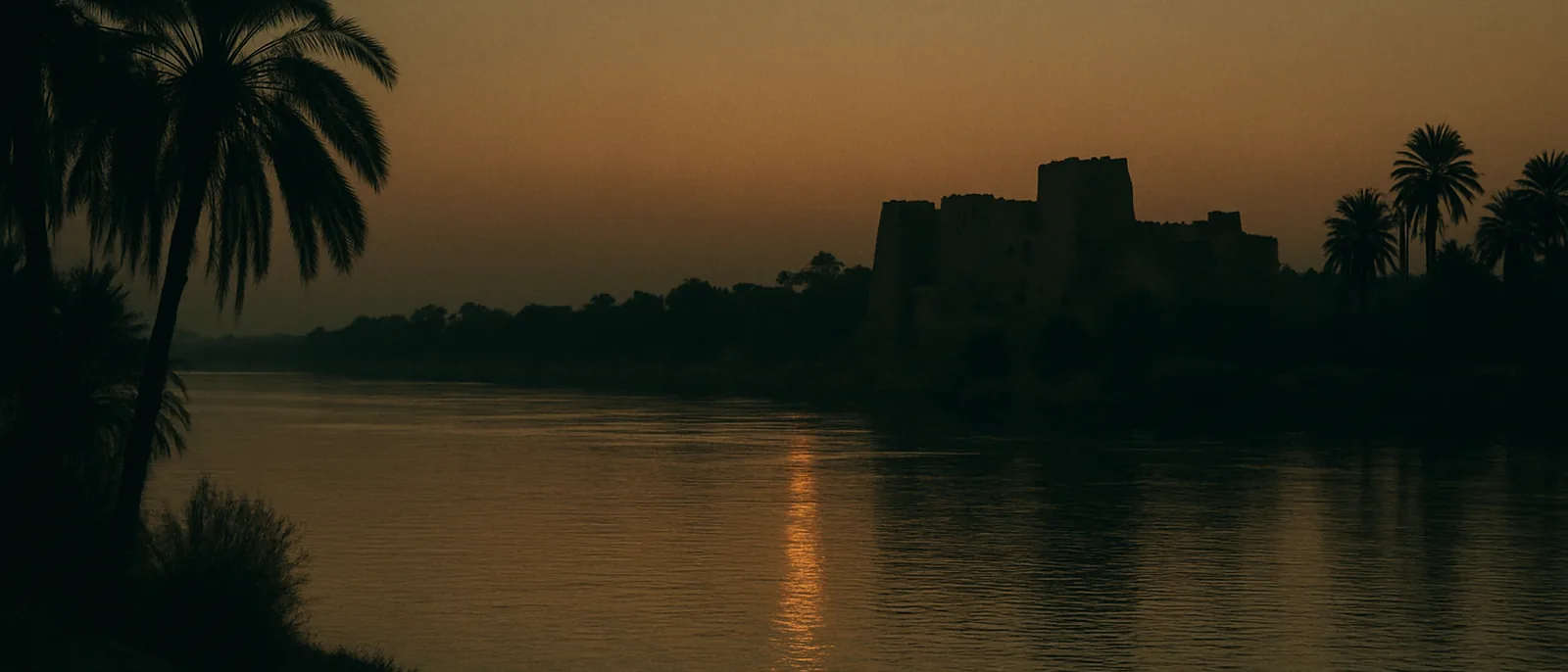
The foretold conquest of Egypt and the command of kindness to its people (Muslim 2543)
'Amr ibn al-'As invaded Egypt in 639 CE; the fortress of Babylon fell in 641 and Alexandria passed to the Muslims by treaty in 642. The conquest…
Browse all signs & miracles Browse all prophecies & predictions